
What Is a Cat Veterinarian? Everything You Need to Know
A cat veterinarian is a licensed medical professional who specializes in the health care and treatment of cats. Unlike general vets, they have advanced training in feline medicine and understand that cats are experts at hiding medical issues, leading to more accurate diagnoses and better care.
What Is a Cat Veterinarian and Why Does It Matter?
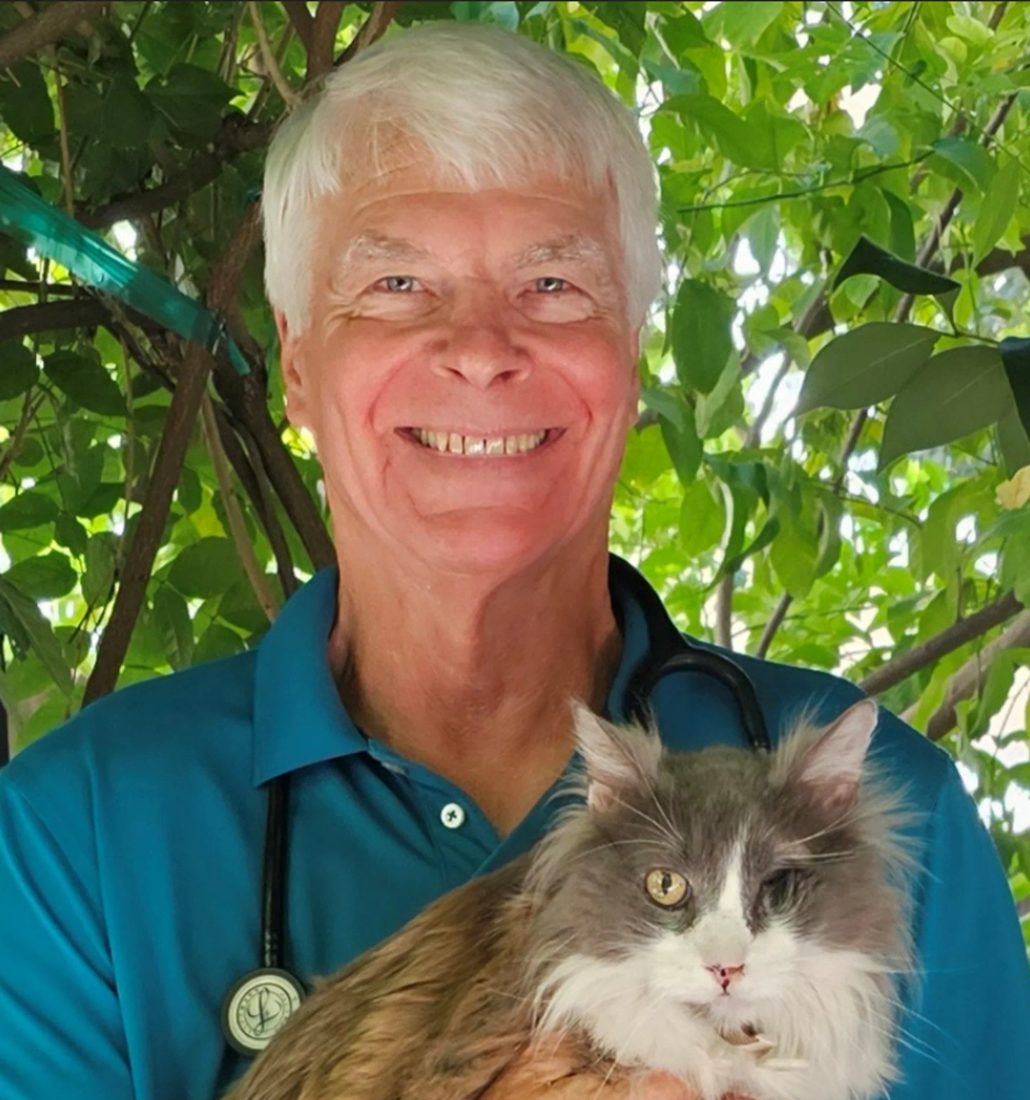
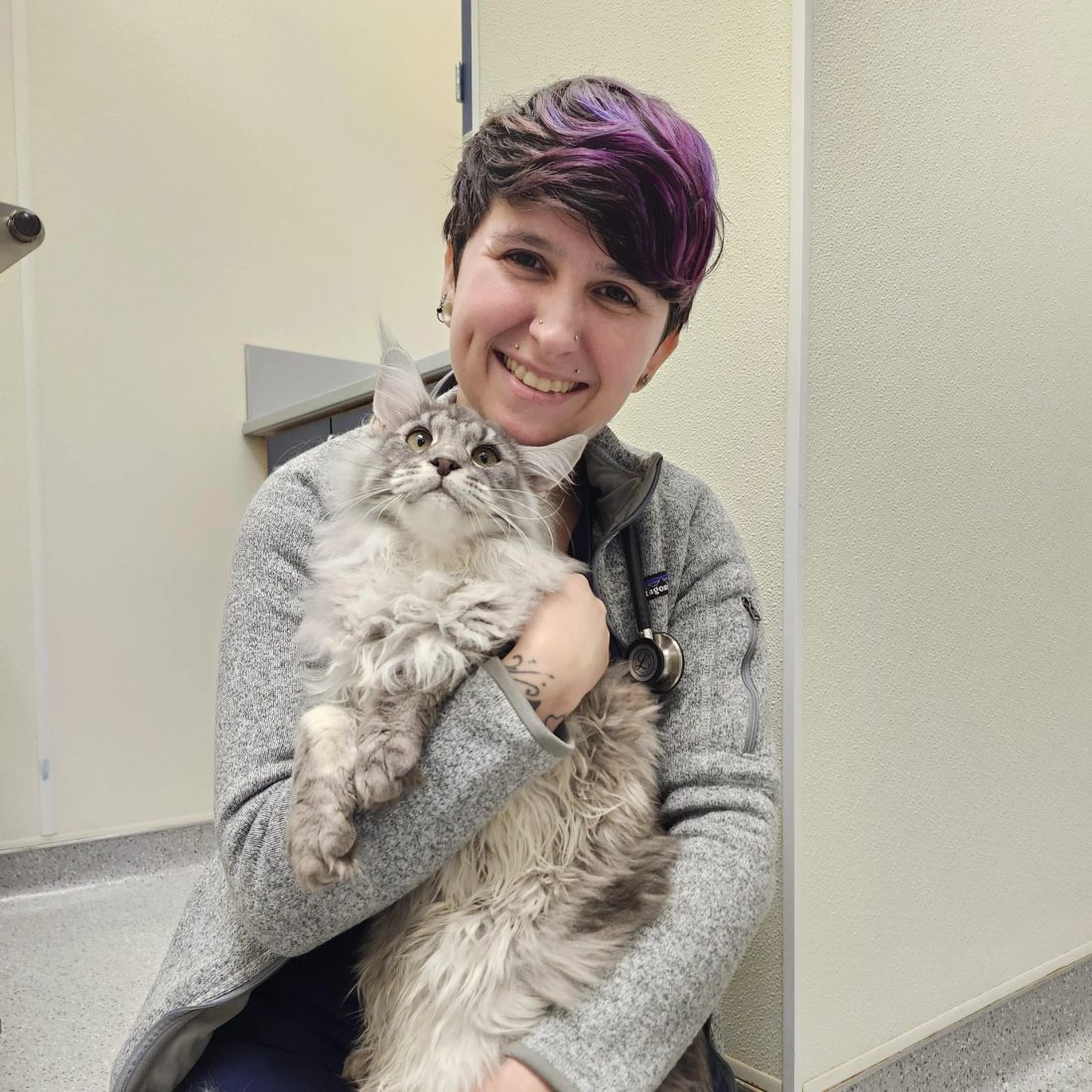
A cat veterinarian—also called a feline veterinarian—is a licensed medical professional who specializes in the health care and treatment of cats. While a general veterinarian treats many species, a cat veterinarian focuses exclusively on feline medicine, from kittens to seniors.
This specialization matters because cats are experts at hiding medical issues. They instinctively mask pain and illness, so subtle changes in behavior, appetite, or litter box habits can be the only clues. A cat-only vet has advanced training to recognize these early signs and knows how to handle cats with less stress.
At our cat-only clinic in Rocklin, CA, we've designed everything—from the waiting area to exam rooms—to reduce feline anxiety. That's the difference between a vet who treats cats and one who truly understands them.


When Should You Take Your Cat to the Vet?
Knowing when to see a cat vet can be tricky because cats hide illness. Here's how to decide if it's time for a visit.
A good fit if…
- Routine wellness – Kittens need a series of exams and vaccinations; adult cats should have a yearly wellness exam; seniors (7+) benefit from twice-yearly check-ups.
- Behavior changes – Hiding more, decreased appetite, increased thirst, or litter box accidents can signal medical problems.
- Visible symptoms – Vomiting, diarrhea, coughing, sneezing, or discharge from eyes or nose warrant a vet visit.
- Mobility issues – Difficulty jumping, stiffness, or limping are signs of pain, often from arthritis.
- Dental problems – Bad breath, drooling, or pawing at the mouth indicate dental disease.
Consider another option if…
- Mild, short-term issues – A single hairball or a day of low appetite might not require immediate care, but monitor closely.
- You're unsure – When in doubt, call your vet. A quick phone consultation can save your cat's life.
For emergencies—like difficulty breathing, severe bleeding, or sudden collapse—seek immediate care. Learn more about [[what-is-an-emergency-for-a-cat|what counts as an emergency for a cat]].
How Much Does a Cat Vet Visit Cost?
The cost of a cat vet visit varies widely based on location, clinic type, and services needed. Here's a breakdown of what drives the price.
| Factor | Why It Matters | Typical Range |
|---|---|---|
| Office exam | Base fee for the veterinarian's time and expertise | Varies, often $50–$150 |
| Vaccinations | Core vaccines (e.g., rabies, FVRCP) are recommended for all cats | Varies by vaccine type |
| Parasite prevention | Flea, tick, and heartworm preventives are usually prescribed | Varies by product |
| Diagnostics | Blood work, urinalysis, or imaging if needed | Varies; ask for a quote |
| Dental cleaning | Requires anesthesia and professional cleaning | Varies widely |
| Emergency care | After-hours or urgent visits cost more | Varies; call ahead |
At our clinic, we provide transparent estimates before any procedure. We also accept Care Credit and offer [[vet-pay|flexible payment options]] to help manage costs. For more details, see [[how-much-cat-vet|what a cat vet visit costs in Rocklin]].
What to Expect During a Cat Vet Visit
A cat vet visit is designed to be thorough yet low-stress. Here's what typically happens during a routine appointment.
- Check-in and history – You'll share your cat's diet, behavior, and any concerns. Bring medical records if it's your first visit.
- Weight and vital signs – The vet or technician will weigh your cat and check temperature, heart rate, and respiration.
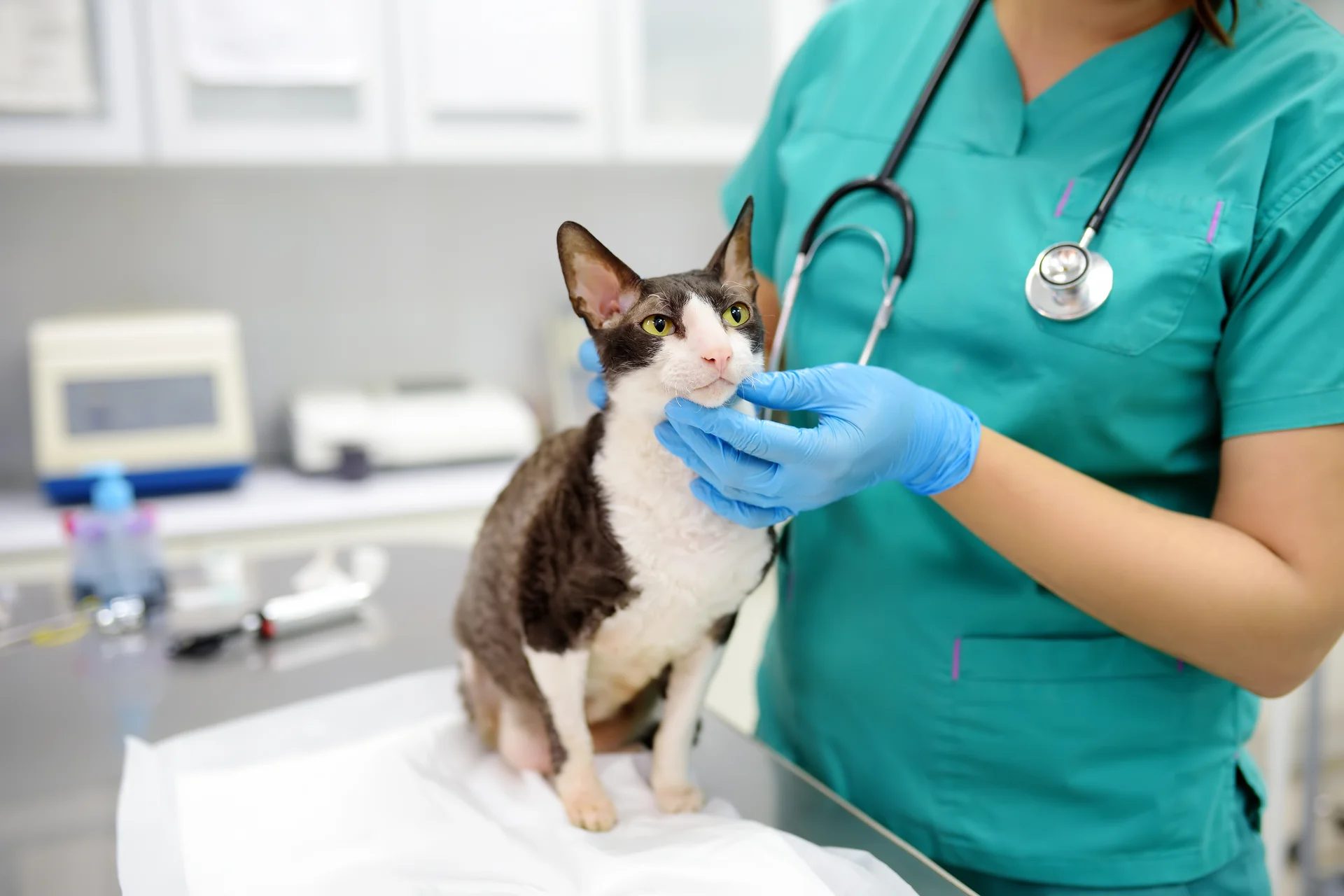
- Full physical exam – The vet examines eyes, ears, mouth, skin, coat, heart, lungs, and abdomen, feeling for abnormalities.
- Vaccinations and preventives – If due, your cat receives core vaccines and parasite prevention. The vet discusses your cat's lifestyle to tailor recommendations.
- Discussion and plan – The vet explains findings, answers questions, and suggests next steps—whether it's a dental check, blood work, or a follow-up.
- Booking and follow-up – You'll leave with a summary and schedule any needed appointments. For new clients, we offer a free first exam—terms apply.
Directions to our cat veterinarian near me from Rocklin station
Start at Rocklin station and head to Cats Only Clinic at 1220 Sunset Blvd, Rocklin, CA 95765.
Find a Cat Veterinarian Near You
Finding a cat veterinarian near you is easier when you know what to look for. Here's how to locate a qualified feline-focused vet in your area.
- Search for cat-only clinics – Look for practices that exclusively treat cats, like ours in Rocklin. They offer a calmer environment and deeper feline expertise.
- Check credentials – Look for Cat Friendly Practice certification or veterinarians with advanced feline training.
- Read reviews – See what other cat owners say about handling, communication, and care quality. We're proud of our 150+ 5-star reviews.
- Consider location and hours – Choose a clinic that's convenient, with hours that fit your schedule. We're open Saturdays and serve Rocklin, Roseville, Lincoln, Loomis, Granite Bay, Penryn, Newcastle, and Auburn.
- Call and ask questions – Ask about their approach to feline care, emergency availability, and pricing. We're at 1220 Sunset Blvd, Rocklin, CA 95765, and you can reach us at (916) 435-9300.
For more tips, see [[how-to-find-a-cat-vet|how to find a cat vet near you]].
Services Provided by a Cat Veterinarian
A full-service feline veterinary practice offers comprehensive care for every life stage. Here's what you can expect from a cat veterinarian.
- Wellness exams – Regular check-ups to catch problems early, including weight, dental, and organ health.
- Vaccinations – Core vaccines protect against rabies, feline herpesvirus, calicivirus, and panleukopenia.
- Parasite prevention – Flea, tick, and heartworm control tailored to your cat's risk.
- Dental care – Professional cleanings, extractions, and oral health assessments to prevent painful dental disease.
- Spaying and neutering – Surgical procedures that prevent unwanted litters and offer health benefits.
- Surgery – From soft tissue to orthopedic procedures, performed with feline-specific anesthesia protocols.
- Diagnostics – In-house blood work, urinalysis, and imaging to diagnose conditions quickly.
- Cat boarding – Personalized care for your cat while you're away, with a stress-reduced environment.
For deeper dives, explore our [[best-cat-dental-care-rocklin|cat dental care]] and [[diagnostics-roseville|diagnostics services]].
How to Choose the Right Cat Veterinarian
Choosing a cat vet is a big decision. Compare your options using these criteria.
| Criteria | Cat-Only Vet | General Vet |
|---|---|---|
| Feline expertise | Advanced training in feline medicine | Broad training across species |
| Stress level for cats | Low-stress, cat-focused environment | May have dogs barking nearby |
| Handling approach | Cat-specific techniques | General handling methods |
| Diagnostic accuracy | Better at spotting subtle feline issues | May miss cat-specific signs |
| Clinic atmosphere | Quiet, feline-friendly | Can be busy and noisy |
Look for a Cat Friendly Practice certification and read reviews from other cat owners. A good fit means your cat feels safe and you feel heard. We invite you to visit our clinic and see the difference.
Sources
Also asked as
- What does a cat veterinarian do?
- Why see a cat-only vet?
- How is a cat vet different from a regular vet?
Frequently asked questions
When should I take my cat to the vet?
Take your cat for a wellness exam at least once a year, and more often for kittens or seniors. Also visit if you notice behavior changes, vomiting, diarrhea, appetite loss, or any signs of pain. Cats hide illness, so trust your instincts—if something seems off, call your vet.
Which president was a cat lover?
Several U.S. presidents have loved cats, including Abraham Lincoln, Theodore Roosevelt, and John F. Kennedy. However, this is trivia and not related to veterinary care. Focus on your cat's health with regular check-ups.
What scent calms cats?
Some cats respond well to synthetic feline pheromones, which can reduce stress. However, every cat is different, and calming scents are not a substitute for veterinary care. If your cat is anxious, consult your vet for safe options.
How do cats reproduce?
Cats reproduce through mating, and females can have multiple litters per year. Spaying or neutering prevents unwanted litters and offers health benefits. Talk to your vet about the best time for these procedures.
Why do cats cry during mating?
Cats may vocalize during mating due to the female's response to the male's barbed penis, which triggers ovulation. This is natural but can be distressing. Spaying and neutering eliminate this behavior and reduce stress.