
What Is an Emergency for a Cat? Key Signs and When to Seek Help
A cat emergency is any sudden, severe symptom like difficulty breathing, inability to urinate, paralysis, seizures, or major trauma. If you see these, seek veterinary care immediately.
What Is an Emergency for a Cat? Key Signs to Watch For
An emergency is any condition that threatens your cat's life or causes severe pain. Recognize these red flags and act fast.
- Difficulty breathing – Open-mouth breathing, gasping, or a respiratory rate over 50 breaths per minute (when not panting) is critical.
- Inability to urinate – Straining in the litter box with no urine, especially in male cats, signals a urethral obstruction.
- Sudden paralysis – Difficulty walking on one or both rear legs, with cold paws, may indicate a saddle thrombus.
- Seizures – Any seizure, especially lasting more than a few minutes, needs immediate attention.
- Major trauma – Hit by a car, a fall from height, or any significant injury requires emergency care.
- Toxin ingestion – Lilies, antifreeze, or human medications can be fatal; call your vet right away.
- Extreme pain – Crying, hiding, aggression, or inability to move are signs of severe distress.
If you notice any of these signs, don't wait—contact us at (916) 435-9300 or head to our clinic at 1220 Sunset Blvd, Rocklin, CA.

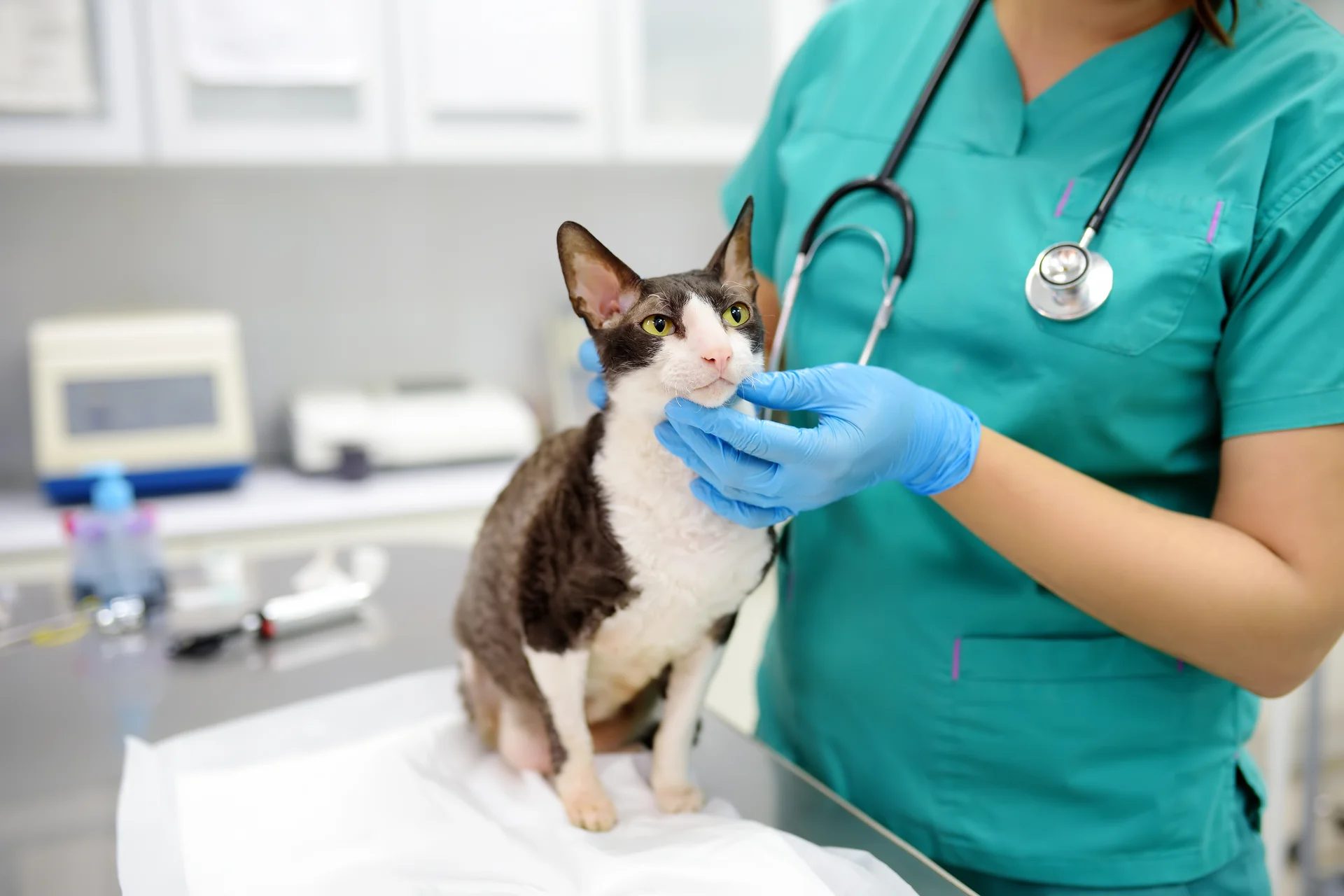
When to Go to the Emergency Vet: A Quick Decision Guide
A good fit if…
- Your cat has sudden, severe symptoms like breathing trouble, paralysis, or seizures.
- Your cat is completely unable to urinate—this is a life-threatening emergency.
- Your cat has been in an accident or ingested something toxic.
- Your cat shows extreme pain, such as crying or inability to move.
Consider another option if…
- Symptoms are mild, like occasional vomiting or a small wound that's not bleeding heavily.
- Your cat is eating, drinking, and acting normally despite a minor issue.
- It's a routine matter like vaccinations or a wellness exam—schedule a regular appointment.
When in doubt, call your vet. We can help you decide if your cat needs immediate care. Our team at Cats Only Clinic is open Monday–Saturday; call (916) 435-9300.
Urinary Obstruction in Male Cats: A Silent Emergency
A urethral obstruction is a blockage in the tube that carries urine out of the body. It's most common in male cats and is a true emergency—without treatment, it can be fatal within 24–48 hours.
Signs include straining to urinate, crying in the litter box, producing little or no urine, and lethargy. If your cat is completely unable to urinate, he needs immediate veterinary care. This condition can lead to kidney failure and heart rhythm disturbances.
If you suspect a blockage, call us right away at (916) 435-9300. We're equipped to handle this emergency at our Rocklin clinic.
Recognizing Pain and Distress in Your Cat
Cats hide pain well, so you must watch for subtle changes. These signs indicate your cat may be in distress:
- Hiding or withdrawal – A normally social cat hiding more than usual can signal pain.
- Changes in posture – Hunched back, tucked tail, or reluctance to move.
- Vocalization – Excessive meowing, growling, or purring (sometimes purring indicates pain).
- Appetite loss – Not eating for more than 24 hours is concerning.
- Litter box issues – Straining, crying, or urinating outside the box.
- Aggression – Hissing or biting when touched may mean pain.
If your cat shows these signs, especially with other emergency symptoms, seek help immediately.
Feline arterial thromboembolism
Feline arterial thromboembolism, often called saddle thrombus, is a sudden, painful condition where a blood clot blocks the artery supplying the hind legs. It's most common in cats with underlying heart disease, such as hypertrophic cardiomyopathy. The clot cuts off blood flow, causing sudden paralysis, cold rear limbs, and severe pain. Emergency treatment focuses on pain control, clot prevention, and supportive care, but the outlook is guarded—many cats don't survive, and recurrence is possible. If your cat suddenly can't use its back legs, this is a life-threatening emergency, and you should seek veterinary care immediately.
Directions to our cat veterinarian near me from Western Sierra Collegiate Academy
Start at Western Sierra Collegiate Academy and head to Cats Only Clinic at 1220 Sunset Blvd, Rocklin, CA 95765.
Top Cat Emergencies Every Owner Should Know
Be prepared for these common emergencies:
- Urethral obstruction – Blockage in male cats, life-threatening if untreated.
- Toxin ingestion – Lilies, antifreeze, human meds—call poison control and your vet.
- Trauma – Hit by car, falls, or fights can cause internal injuries.
- Breathing distress – Asthma, heart failure, or choking—open-mouth breathing is always an emergency.
- Seizures – Epilepsy, toxins, or brain issues—seek vet care.
- Gastroenteritis – Severe vomiting/diarrhea can lead to dehydration.
Knowing these can help you act fast. For more on diagnostics, see our diagnostics page.
Breathing Emergencies in Cats: When to Rush to the Vet
Respiratory distress is a top emergency. Watch for these signs:
- Open-mouth breathing – Always abnormal in cats, except after extreme exertion.
- Rapid breathing – More than 50 breaths per minute when resting.
- Gasping or choking – Struggling to breathe, with extended neck or blue gums.
- Noisy breathing – Wheezing, crackles, or stridor.
- Lethargy with breathing effort – Even mild distress warrants a vet check.
If your cat has any of these, call us immediately at (916) 435-9300. We're here to help in Rocklin and nearby areas like Roseville, Lincoln, and Loomis.
What to Do in a Cat Emergency: Step-by-Step Guide
- Stay calm – Your cat senses your stress; speak softly and move slowly.
- Assess safety – Ensure the environment is safe for both of you; use a towel or carrier to handle a frightened cat.
- Call your vet – Phone us at (916) 435-9300 for guidance; we can tell you if you need to come in.
- Provide first aid – For bleeding, apply gentle pressure; for toxins, bring the packaging; for seizures, keep your cat away from hazards.
- Transport carefully – Use a sturdy carrier with a soft towel; keep your cat warm and quiet.
- Bring essentials – Medical records, medication list, and any suspected toxin.
Our clinic is at 1220 Sunset Blvd, Rocklin, CA. We're open Monday–Saturday; call ahead if possible.
Cost of Emergency Vet Care for Cats: What to Expect
Emergency vet costs vary widely based on the condition and treatment needed. Here's a general breakdown:
| Factor | Why It Matters | Typical Range |
|---|---|---|
| Exam fee | Initial consultation and triage | $50–$150 |
| Diagnostics | Bloodwork, X-rays, ultrasound | $100–$500 |
| Stabilization | IV fluids, oxygen, medications | $200–$800 |
| Surgery/hospitalization | For obstruction, trauma, etc. | $1,000–$3,000+ |
Costs vary by clinic and case. We recommend asking for a written estimate before treatment. For financial help, see financial assistance options. We accept Care Credit and offer payment plans—ask us about vet pay options.
For details on services and visits, see the main page about cat vet near me.
Sources
Also asked as
- What are signs my cat needs emergency care?
- When should I take my cat to the emergency vet?
- What is a cat emergency?
Frequently asked questions
How much is an emergency visit for a cat?
Emergency vet visits typically cost between $50–$150 for the exam alone, with total costs ranging from $200 to over $3,000 depending on diagnostics and treatment. Always ask for an estimate and discuss payment options.
What is the silent killer of cats?
Heart disease, especially hypertrophic cardiomyopathy (HCM), is often called the silent killer because it can cause no symptoms until a sudden crisis like a blood clot or heart failure occurs. Regular vet checkups, including heart screening, can help detect it early.
What will a vet do for a cat with diarrhea?
For mild diarrhea, a vet may recommend a bland diet and probiotics. If severe or persistent, they may run fecal tests, bloodwork, or imaging to rule out infections, parasites, or inflammatory bowel disease, and may prescribe medications or fluids.
What to do if your cat gets out?
If your cat escapes, search nearby hiding spots, put out familiar scents (like their bedding), and post on local lost-pet groups. Contact your vet and local shelters, and consider microchipping to increase the chance of reunion.