
Do Cats Really Need Yearly Vet Visits? Yes – Here's Why
Yes, all adult cats should see a veterinarian for a checkup at least once a year, even if they seem healthy. Annual visits catch hidden issues early and keep vaccinations current.
Do cats really need yearly vet visits? Yes — here's why
Yes, all adult cats should see their veterinarian for a checkup at least once a year. Even if your cat seems healthy, annual visits are a cornerstone of preventive care. Cats are masters at hiding illness, so a yearly exam is your best chance to catch problems early.
- Wellness exam: The vet checks your cat from nose to tail, including weight, heart, lungs, teeth, ears, and coat.
- Vaccinations: Core vaccines like rabies and FVRCP are updated as needed.
- Parasite prevention: Discuss flea, tick, and heartworm control tailored to your cat's lifestyle.
- Early detection: Blood and urine tests can reveal early signs of chronic kidney disease, hyperthyroidism, or diabetes.
- Dental health: Dental disease is common in cats; the vet assesses for signs and recommends cleanings if needed.
- Nutrition and behavior: Get advice on diet, weight, and any behavior concerns.
Annual visits also maintain your cat's health history, making it easier to spot changes over time. For cats with chronic conditions, more frequent visits may be necessary.

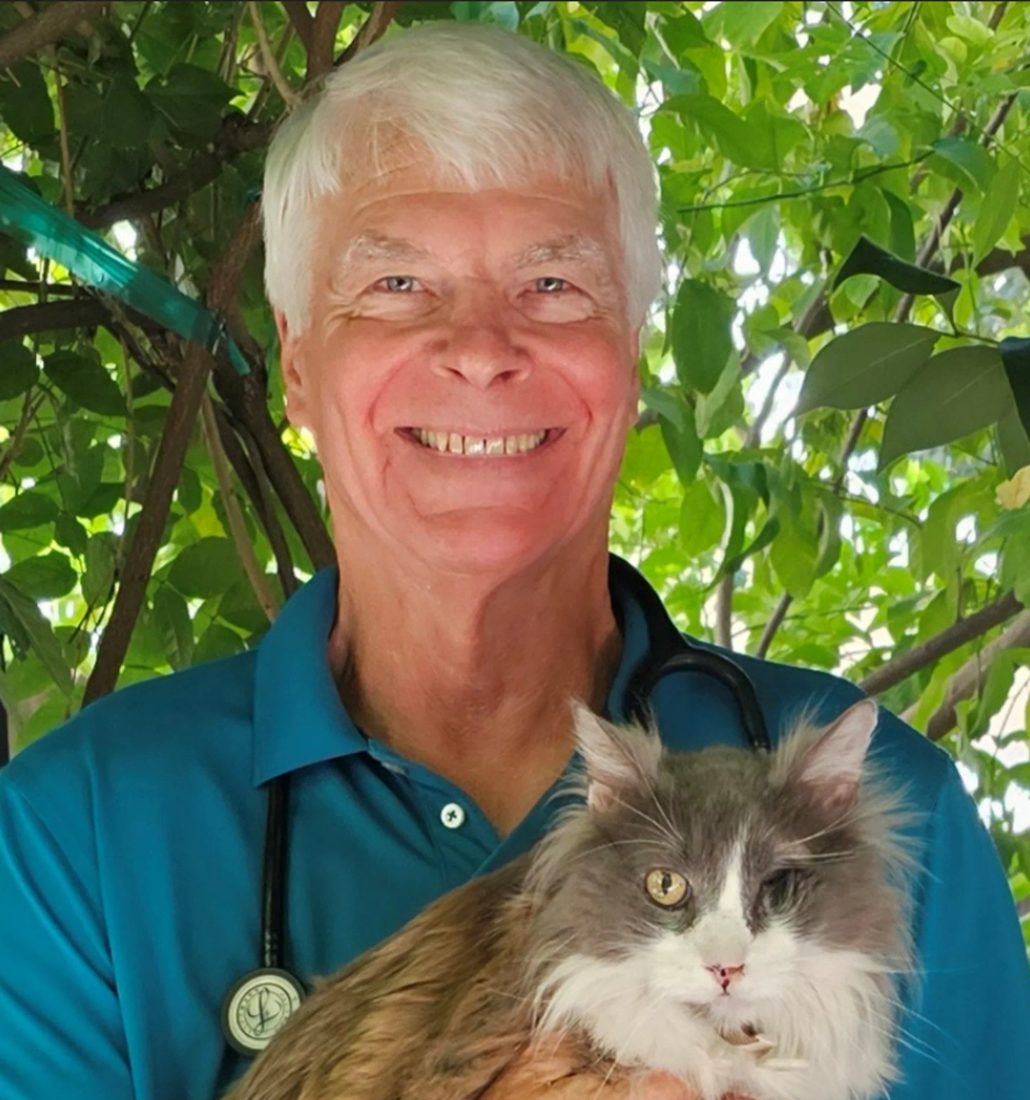
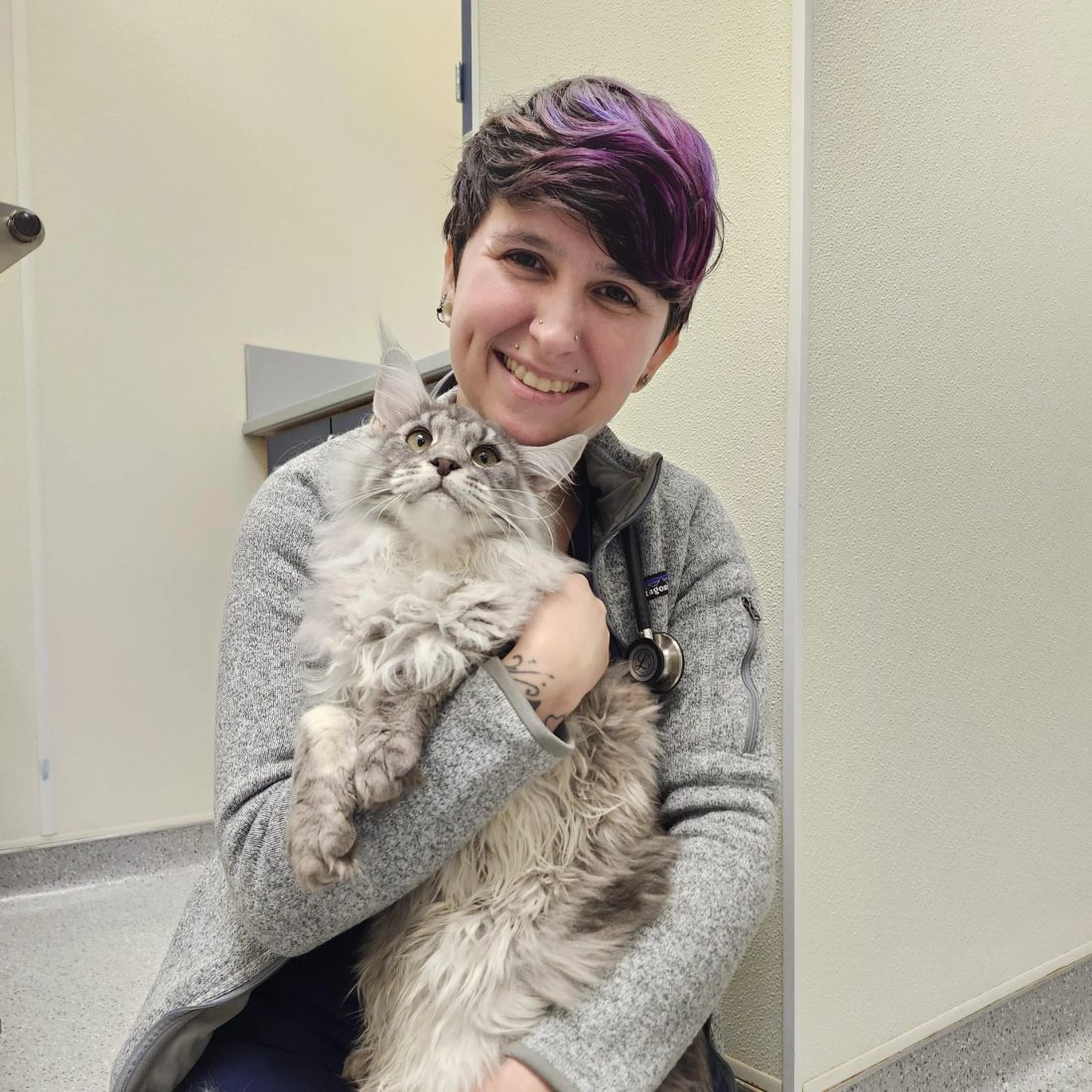
Do indoor cats really need yearly vet visits? Absolutely
Indoor cats might seem safe from many dangers, but they still face health risks that annual checkups can catch early. Here's what indoor cats need:
- Core vaccines: Rabies and FVRCP are recommended for indoor cats, as they can escape or be exposed to other animals.
- Dental care: Dental disease is common in indoor cats and can lead to pain and systemic issues.
- Weight monitoring: Indoor cats are prone to obesity, which can cause diabetes and joint problems.
- Early disease detection: Chronic kidney disease and hyperthyroidism are common in older indoor cats and are manageable if caught early.
- Parasite prevention: Even indoor cats can get fleas or intestinal parasites; the vet can recommend preventives.
Indoor cats also benefit from a thorough physical exam to catch issues like heart murmurs or dental disease that you might not notice at home.
How often should your cat see the vet? Age and health matter
The frequency of vet visits depends on your cat's age and health. Here's a general guide:
| Life Stage | Age | Recommended Visit Frequency | Key Focus |
|---|---|---|---|
| Kitten | Up to 1 year | Every 3–4 weeks until 16 weeks old | Vaccinations, deworming, growth checks |
| Adult | 1–7 years | Once a year | Wellness exam, vaccines, parasite prevention |
| Senior | 7–10 years | Every 6 months | Blood work, dental health, weight management |
| Geriatric | 10+ years | Every 6 months or more | Chronic disease monitoring, quality of life |
| Chronic conditions | Any age | As recommended by your vet | Disease management, medication adjustments |
These are general guidelines. Your veterinarian may recommend a different schedule based on your cat's specific needs.
What happens if you skip your cat's yearly vet visit?
Skipping annual visits can allow hidden health issues to progress. Here's what you risk:
- Silent diseases: Chronic kidney disease, hyperthyroidism, and diabetes often show no early signs at home.
- Dental disease: Without regular checkups, dental problems can lead to pain, infection, and tooth loss.
- Obesity: Weight gain can go unnoticed and lead to diabetes and joint issues.
- Outdated vaccines: Missing boosters leaves your cat vulnerable to preventable diseases.
- Missed early treatment: Conditions caught early are often easier and cheaper to treat.
Annual visits are your best defense against these risks. If cost is a concern, many clinics offer wellness plans or payment options.
Directions to our cat veterinarian near me from Rocklin High School
Start at Rocklin High School and head to Cats Only Clinic at 1220 Sunset Blvd, Rocklin, CA 95765.
Do cats really need yearly vaccinations? What to know
Not all vaccines are given yearly, but core vaccines are essential. Here's a breakdown:
| Vaccine | Type | Frequency | Why It Matters |
|---|---|---|---|
| Rabies | Core | Every 1–3 years depending on state law | Required by law; protects against a fatal disease |
| FVRCP | Core | Every 1–3 years | Protects against feline viral rhinotracheitis, calicivirus, and panleukopenia |
| FeLV | Non-core | Based on risk | Recommended for cats with outdoor access or multi-cat households |
| FIV | Non-core | Based on risk | Not routinely recommended; discuss with your vet |
Your vet tailors vaccine schedules to your cat's lifestyle and risk factors. Even indoor cats need core vaccines.
What your cat's yearly vet visit includes
A yearly wellness exam is thorough and typically includes:
- Physical exam: Checking eyes, ears, mouth, skin, heart, lungs, abdomen, and joints.
- Weight check: Monitoring for obesity or unintended weight loss.
- Vaccination review: Updating core vaccines as needed.
- Parasite screening: Fecal exam to check for intestinal parasites.
- Blood work (for seniors): Screening for kidney disease, thyroid issues, and diabetes.
- Dental assessment: Evaluating teeth and gums for signs of disease.
This visit is also your chance to ask questions about nutrition, behavior, or any concerns you have.
What other cat owners say about yearly vet visits
Many cat owners wonder if yearly visits are really necessary, but most who take their cats regularly see the value. On forums like Reddit, owners often share stories of how annual exams caught problems early—like dental disease or early kidney issues—that had no visible symptoms at home.
Others note that their indoor cats still needed vaccines and that regular visits helped them stay on top of weight and behavior changes. The consensus among experienced cat owners is that yearly checkups are worth the time and cost.
Book your cat's yearly vet visit in Rocklin today
Ready to schedule your cat's annual exam? We're here to help.
- Call us: Reach us at (916) 435-9300 to book an appointment.
- Visit us: We're located at 1220 Sunset Blvd, Rocklin, CA 95765, near Roseville and Lincoln.
- Check our hours: We're open Monday through Friday, and Saturday from 8:30 AM to 1 PM. Closed Sundays.
- New clients: Enjoy a free first exam for your cat (terms apply).
- Bring your cat: We'll take care of the rest.
Appointments are recommended, but we accommodate walk-ins when possible.
For details on services and visits, see the main page about cat vet near me.
Sources
Also asked as
- How often should a cat go to the vet?
- Do indoor cats need yearly vet visits?
- What happens at a cat's annual checkup?
Frequently asked questions
Do I really have to take my cat to the vet every year?
Yes, annual vet visits are recommended for all cats. Even if your cat seems healthy, yearly exams catch hidden issues early and keep vaccinations current.
What is the 3-3-3 rule for cats?
The 3-3-3 rule is a guideline for helping a new cat adjust to your home: 3 days to decompress, 3 weeks to learn your routine, and 3 months to feel fully comfortable. It's not a veterinary guideline, but it helps owners understand the adjustment period.
What is the silent killer of cats?
Chronic kidney disease is often called the silent killer because it progresses slowly and symptoms may not appear until the disease is advanced. Regular blood work can detect it early.
Is it really necessary to vaccinate cats every year?
Core vaccines like rabies and FVRCP are essential, but not all vaccines need yearly boosters. Your vet will tailor a schedule based on your cat's risk factors and local regulations.
Can I refuse to vaccinate my cat?
You can refuse, but core vaccines protect against serious, sometimes fatal diseases. Skipping vaccinations puts your cat at risk, especially if they ever escape outdoors or are exposed to other animals.