
My Cat Is Dying: How Long Will It Take and How to Comfort Them
A dying cat typically passes within hours to days once active dying begins, though some may linger for up to a week or more. The exact timeline varies by cause, age, and health. Euthanasia offers a peaceful, pain-free option when quality of life declines.
How Long Will It Take for My Dying Cat to Pass?
The honest answer: it varies. A cat in the active dying phase—when organs begin shutting down—typically passes within hours to days. Some cats linger for 5–7 days or even longer, especially if the underlying cause is slow (like chronic kidney failure). The timeline depends on the illness, your cat's age, and whether you choose natural death or euthanasia.
| Stage | Typical Duration | What You'll Notice |
|---|---|---|
| Pre-active dying | Days to weeks | Decreased appetite, hiding, less grooming, sleeping more. |
| Active dying | Hours to 3 days | Labored breathing, unresponsiveness, cold extremities, no eating or drinking. |
| Transition (agonal phase) | Minutes to hours | Shallow breaths, possible vocalization, muscle twitches, then stillness. |
| After death | Immediate | No breathing, no heartbeat, pupils fixed, body stiffens within hours. |
If your cat is suffering and you're unsure how long it will take, euthanasia offers a peaceful end within minutes. Many owners find this kinder than waiting days. Talk to your vet about hospice care or palliative care options to keep your cat comfortable during this time.

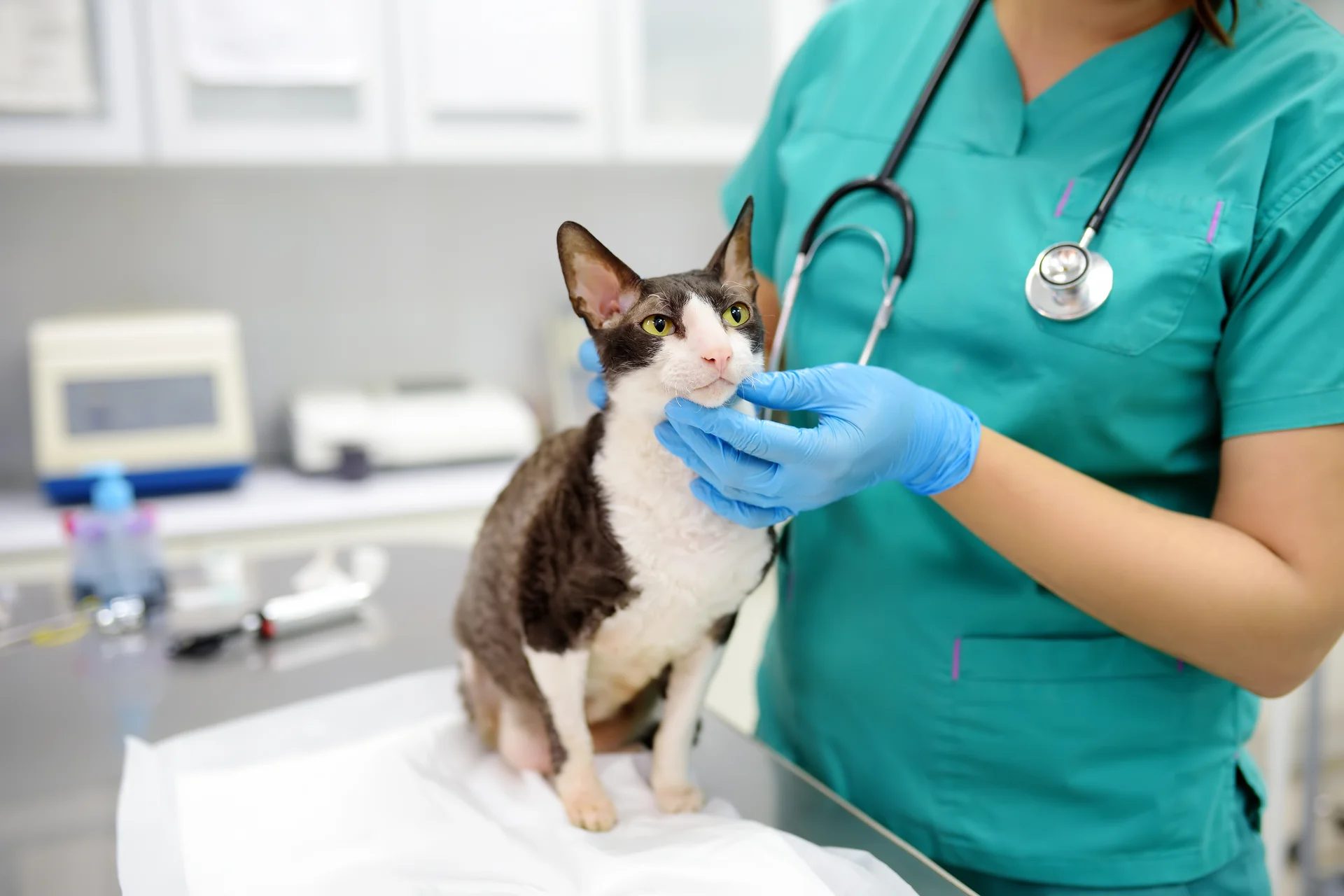

When Is It Time to Consider Euthanasia for Your Cat?
Deciding to euthanize is one of the hardest choices you'll make. The goal is to prevent suffering, not to end life prematurely. Use a quality-of-life assessment—ask your vet for a scale that scores pain, appetite, mobility, and enjoyment.
A good fit if…
- Your cat is in constant pain that medication can't control.
- They've stopped eating and drinking for more than 24–48 hours.
- They can't move, stand, or use the litter box without help.
- They show no interest in things they once loved—toys, people, treats.
- They're struggling to breathe or gasping for air.
Consider another option if…
- Your cat still has good days—eating, purring, or interacting.
- Pain is manageable with medication and your cat seems comfortable.
- You're not sure—get a second opinion from a vet who knows your cat.
How to decide: Track your cat's good and bad days for a week. If bad days outnumber good ones, euthanasia may be the most compassionate choice. Our team at Cats Only Clinic can help you assess—call us at (916) 435-9300.
Signs Your Cat Is in the Final Stages of Dying
Recognizing the signs helps you prepare and respond. Not all cats show every sign, but these are common in the last days or hours.
- Withdrawal and hiding—Your cat seeks solitude, often in a closet or under furniture.
- Loss of appetite and thirst—Refusing food and water is typical as organs shut down.
- Labored breathing—Slow, shallow breaths or open-mouth breathing.
- Drop in body temperature—Ears, paws, and tail feel cool to the touch.
- Incontinence—Loss of bladder or bowel control is common.
- Unresponsiveness—Your cat may not react to your voice or touch.
- Muscle twitching or tremors—Sometimes seen in the final hours.
If you notice several of these signs, death is likely near—within hours to days. Call your vet for guidance on comfort and whether euthanasia is the right choice.
How to Comfort Your Dying Cat at Home
Your presence and gentle care can make your cat's final hours more peaceful. Here's what to do.
- Create a quiet, warm space—Set up a soft bed in a low-traffic area, away from noise and other pets. Add a heating pad on low (with a towel barrier) to keep them warm.
- Offer favorite treats and water—Even if they refuse, try hand-feeding small amounts of tuna juice or warmed wet food. Don't force it.
- Keep them clean and dry—If incontinence occurs, gently clean with a warm damp cloth and change bedding as needed.
- Provide gentle contact—Stroke softly, talk in a calm voice, or simply sit nearby. Let your cat set the pace—some want touch, others prefer solitude.
- Administer pain medication as prescribed—Your vet may provide pain relief or anti-nausea meds. Follow dosing exactly.
- Stay with them—Many cats seek comfort in your presence. If you must leave, arrange for someone to sit with them.
If your cat seems distressed—panting, crying, or unable to rest—contact your vet immediately. In-home euthanasia can end suffering peacefully at home.
Euthanasia
Euthanasia means "good death" in Greek, and in veterinary medicine it's the practice of intentionally ending a life to eliminate pain and suffering. It's a humane, medically accepted procedure where a veterinarian administers a sedative followed by a drug that peacefully stops the heart. In the context of your dying cat, euthanasia is not giving up—it's a final act of compassion that spares them prolonged agony. When natural death might take days of suffering, euthanasia offers a gentle release in minutes, allowing you to hold your cat as they drift off. It's a deeply personal decision, but one that prioritizes your cat's comfort over your own fear of letting go.
Directions to our cat veterinarian near me from Rocklin station
Start at Rocklin station and head to Cats Only Clinic at 1220 Sunset Blvd, Rocklin, CA 95765.
Cat Euthanasia Cost and Options: In-Clinic vs. At-Home
Costs vary widely by location, clinic, and services. Here's what to expect in general terms—always ask for a quote.
| Factor | Why It Matters | Typical Range (varies) |
|---|---|---|
| Euthanasia procedure (in-clinic) | Injection of a sedative and euthanasia solution | $50–$150 |
| In-home euthanasia | Vet travels to your home; often includes a doctor's visit fee | $150–$350+ |
| Cremation (communal) | Your cat is cremated with others; no ashes returned | $50–$100 |
| Cremation (private) | Your cat is cremated alone; ashes returned in an urn | $100–$250+ |
| Burial | If you bury at home, check local regulations; pet cemeteries charge more | $200–$500+ |
If cost is a concern, ask your vet about payment plans or financial assistance. Some clinics offer reduced fees for euthanasia. Never delay needed care due to cost—discuss options openly with your vet.
What to Expect When Your Cat Dies Naturally at Home
A natural death can be peaceful, but it's not always quick or easy to watch. Here's what typically happens.
| Aspect | What to Expect |
|---|---|
| Process | Your cat becomes increasingly lethargic, stops eating, and may slip into a coma-like state before breathing stops. |
| Duration | From active dying to death, usually hours to days, but can be longer. |
| Breathing | Shallow, irregular breaths with pauses—sometimes called Cheyne-Stokes breathing. |
| Awareness | Your cat may be unaware of their surroundings in the final hours. |
| Pain | Some cats show signs of distress; others seem peaceful. If you see pain, call your vet. |
Natural death is not always painless. If your cat is struggling, euthanasia is a humane alternative that prevents prolonged suffering.
What to Do If Your Cat Dies at Home: A Step-by-Step Guide
When your cat passes at home, take a breath. Here's what to do next.
- Confirm death—Check for breathing, a heartbeat, and pupil response. If unsure, listen for a heartbeat with your ear on their chest.
- Contact your vet—Call Cats Only Clinic at (916) 435-9300. They'll guide you on aftercare and may offer cremation services.
- Handle the body gently—Wrap your cat in a soft towel or blanket. Keep them cool (not frozen) if you need to wait.
- Decide on aftercare—Choose between communal or private cremation, or burial if local laws allow. Your vet can arrange pickup.
- Give yourself time—Grief is normal. Reach out to friends, family, or a pet loss support group.
If you're unsure about the cause of death, your vet may offer a necropsy (animal autopsy) to provide answers. This can bring closure, especially if the death was sudden.
For details on services and visits, see the main page about cat vet near me.
Sources
Also asked as
- How long does it take for a cat to die naturally?
- What are the signs a cat is actively dying?
- When should I euthanize my dying cat?
Frequently asked questions
How do you know when it's time to put your dog down?
While this question is about dogs, the same principles apply to cats. When your pet's quality of life declines—pain that can't be controlled, inability to eat or move, loss of interest in life—euthanasia is often the kindest choice. A quality-of-life assessment from your vet can help you decide.
What is the 3-3-3 rule of cats?
The 3-3-3 rule is about adopting a new cat, not dying. It refers to the adjustment period: 3 days to decompress, 3 weeks to learn your routine, and 3 months to feel at home. It doesn't apply to end-of-life care.
Do cats sense when someone is dying?
Cats are perceptive and may react to changes in scent, behavior, or routine. Some cats become clingy or protective; others withdraw. There's no scientific proof they sense death, but they often respond to illness and distress in their humans.
How can I help my cat pass peacefully at home?
Create a quiet, warm space, offer favorite treats, keep them clean, and provide gentle contact. If your cat is in pain, talk to your vet about pain medication. In some cases, in-home euthanasia is the most peaceful option.
What do cats do right before they pass away?
In the final hours, cats often become very still, withdraw, and may stop responding. They might have shallow breathing, a drop in body temperature, and lose control of their bowels or bladder. Some cats purr or vocalize. Each cat is different.